
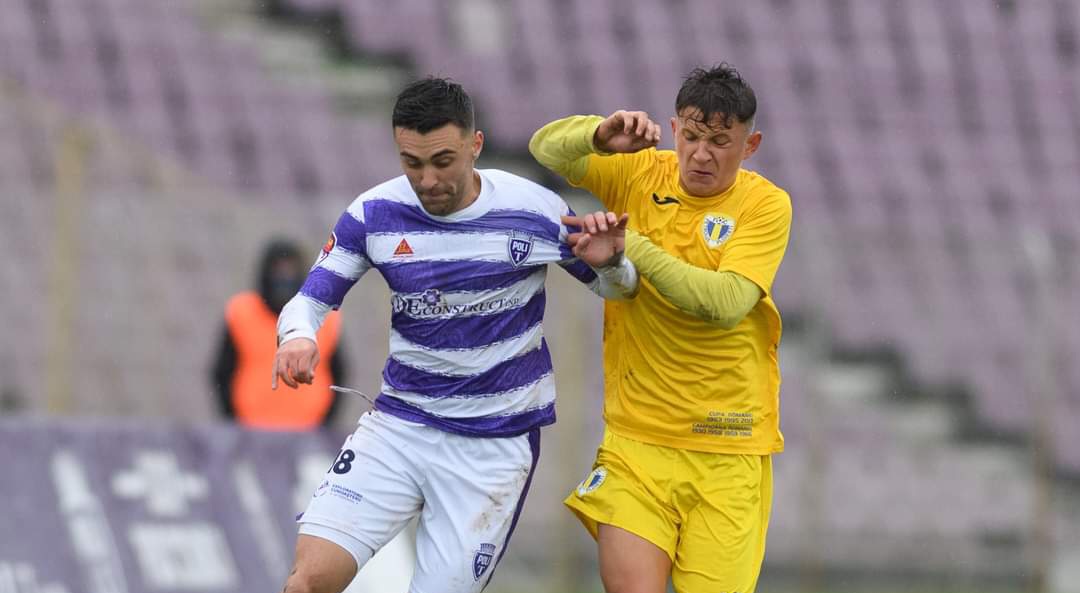
In 1952, Flacăra Bucharest moved to Ploiesti. The new club (because it is a separate club, although sometimes it is considered a continuity between the two groups), Flacăra Ploiești, is relegated from the first division in that first season.
Flacăra București was the former Juventus (no relation to SC Juventus București, now Daco-Getica), founded in 1924, national champion in 1930.
After going through several names, Flacăra Ploiești became Petrolul and, coached by the legendary Ilie Oană (the one who would also give the name to the two stadiums), won two consecutive national titles in 1958 (when the top three finished on equal points, a unique case in history, with Știința Timișoara in 3rd place!). and 1959. The emblematic player of the team was the international Dridea I, whose brother was also an important member of the squad.
In the 1962/63 season, Petrolul became the first Romanian team to participate in the current Europa League (then called the Fair Towns Cup, later the UEFA Cup) and the first Romanian team to participate in the “European Spring”, being eliminated in the quarter-finals by Ferencvaros.
In 1966 the third and last national title is won. The team thus qualified for the ECC, where it met Liverpool, the English champions, a national team that had just won the world title that year! Petrol lose 2-0 at Anfield Road, but win 3-1 at home and a play-off is played on a neutral ground (there was no away goals rule yet). The Reds win 2-0 at Heysel in Brussels.
Petrolul also has three Romanian Cups (1963, 1995, 2013).
In 2003, Petrolul “absorbed” Astra Ploiesti (later re-established and moved to Giurgiu). In 2016, Petrolul was relegated from Liga I and disbanded, going bankrupt.
That year, the supporters founded, on the model of Druckeria, Petrolul 52, registered in D4. The team has been promoted two years in a row, so that now it is in the second division, with the desire to return to League I.
In the meantime, in 2017, the palmares was also recovered, with Petrolul 52 becoming Petrolul. In regulatory terms, it can be accepted that Petrolul has re-established itself and absorbed Petrolul 52.
In 2011 the new Ilie Oană stadium (15,073 seats), built on the site of the old one, was inaugurated.
Article written by Octavian Stăncioiu, Politehnica Timișoara spokesman
 English
 Dutch
 French
 German
 Romanian
 Spanish